
First party multi-touch marketing attribution, data-driven decisions
Take the guesswork out of your activity through first party multi-touch and data driven marketing attribution and unlock key insights to drive high quality conversions and revenue.
No blackbox, fully transparent granular data. To see Ruler in action, book a demo with our team using the form.
COMPANIES MEASURING MARKETING EFFECTIVENESS WITH RULER




How Ruler’s multi-touch attribution works
Step 1
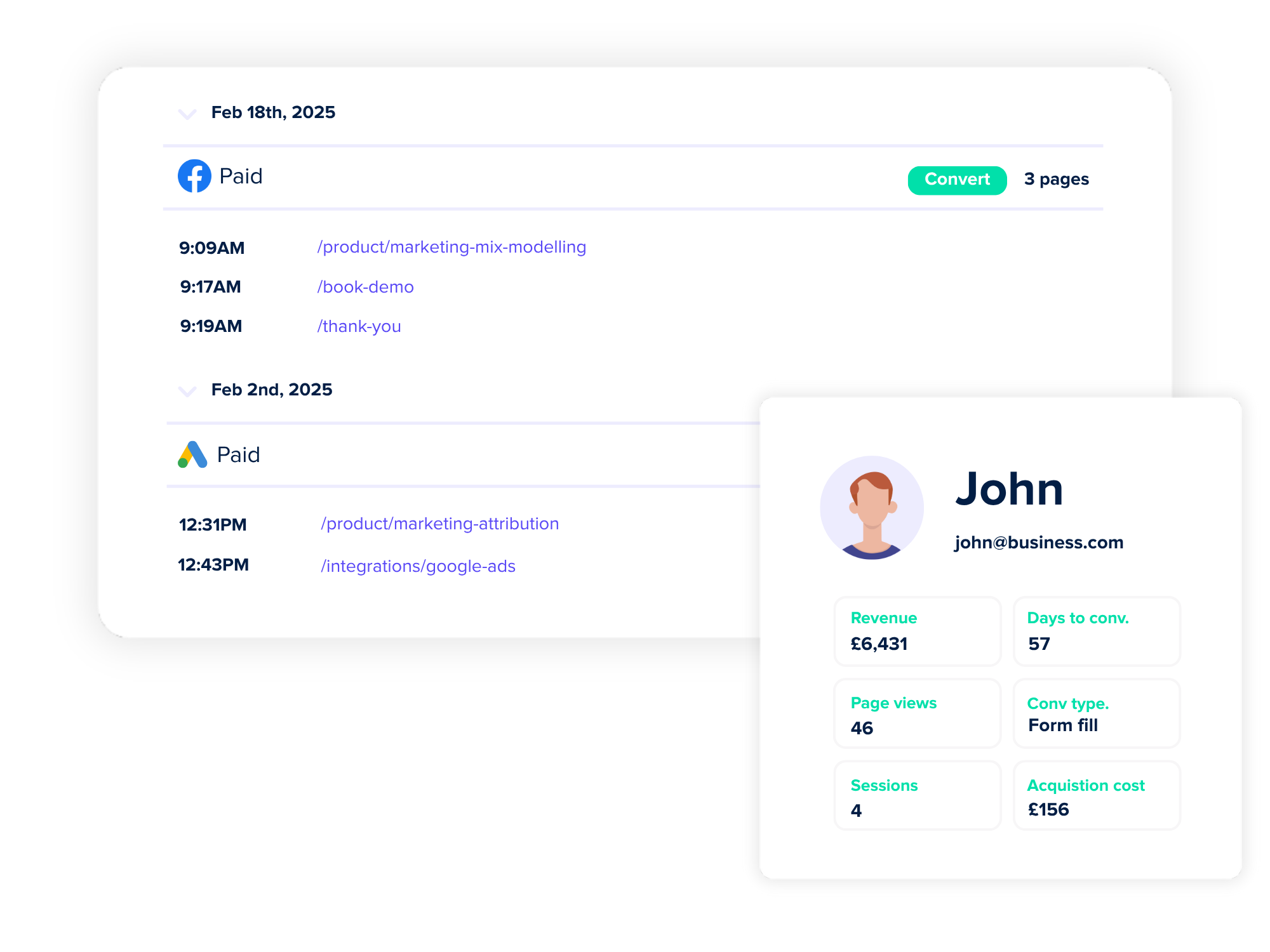
Track website visitors and touchpoints
Anonymous people visit your website. Ruler allows you to track each visitor across multiple sessions along with marketing variables such as source, channel, campaign and keyword.
Step 2
Match conversions to marketing data
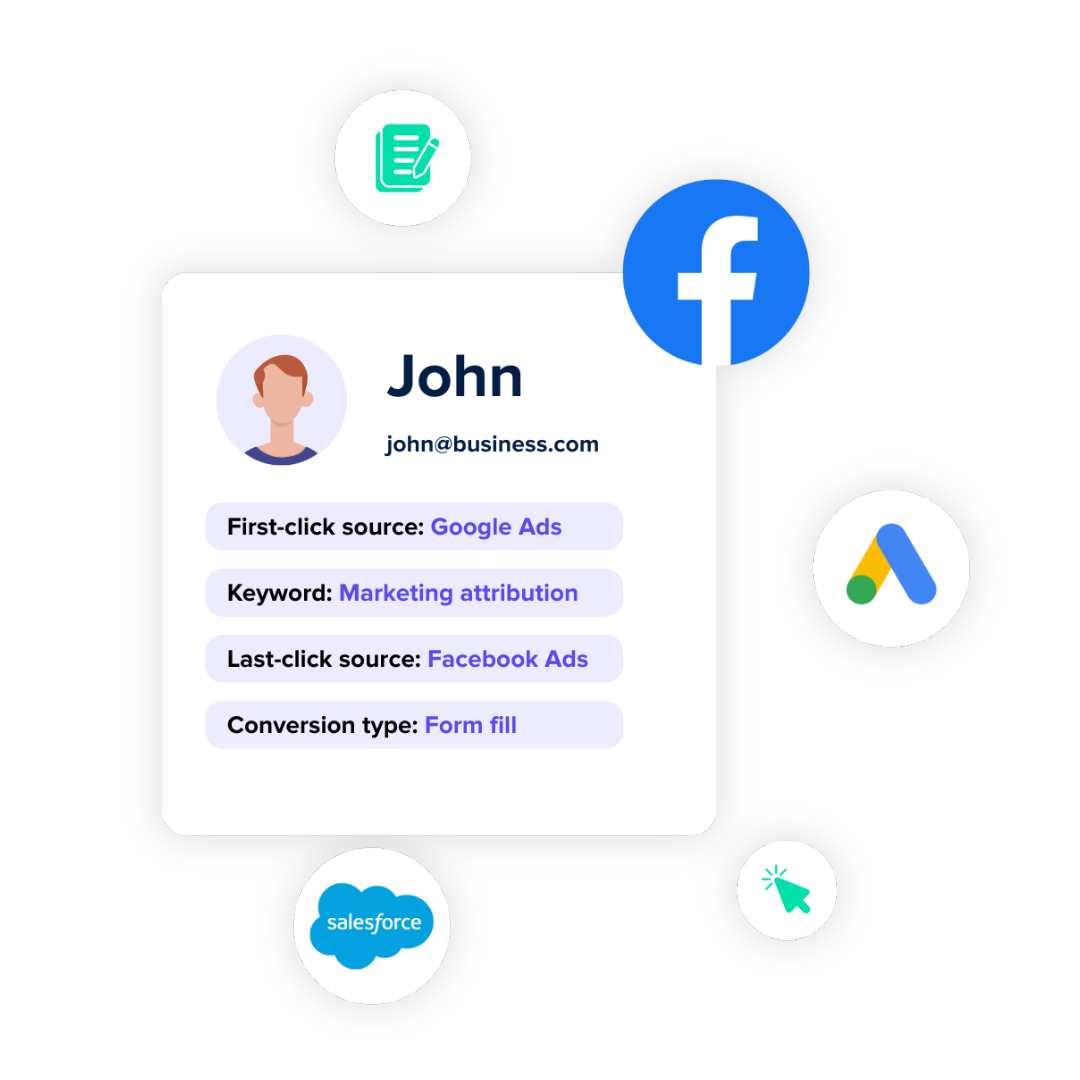
When a user converts via phone, form, live chat or e-commerce, Ruler will match this conversion to their previous marketing interactions.
Step 3
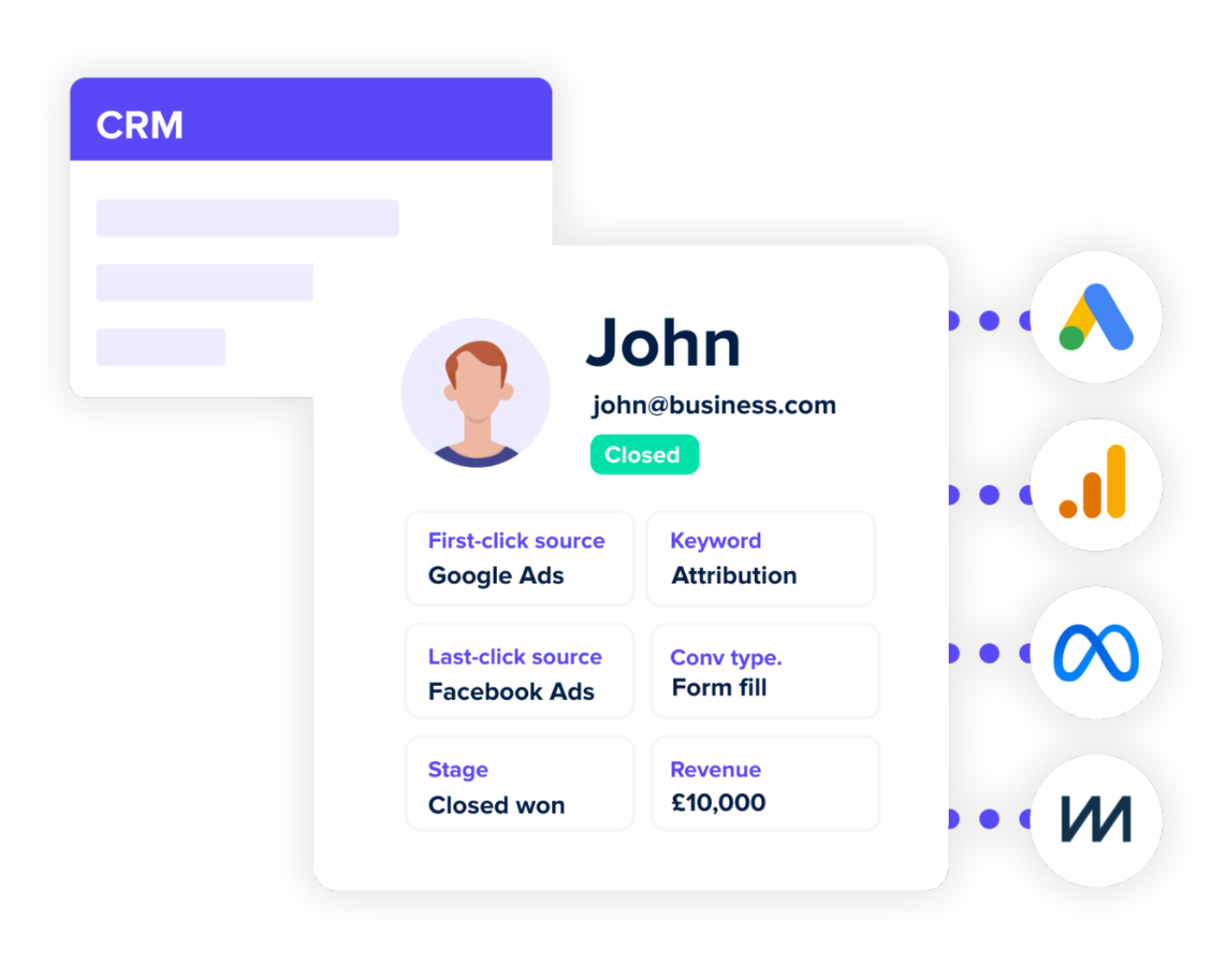
Match CRM & eCommerce records
Ruler can ingest the revenue data in the CRM or eCommerce platforms and send it to your preferred marketing analytics and ad platforms.
Step 4
Attribute revenue to all touchpoints
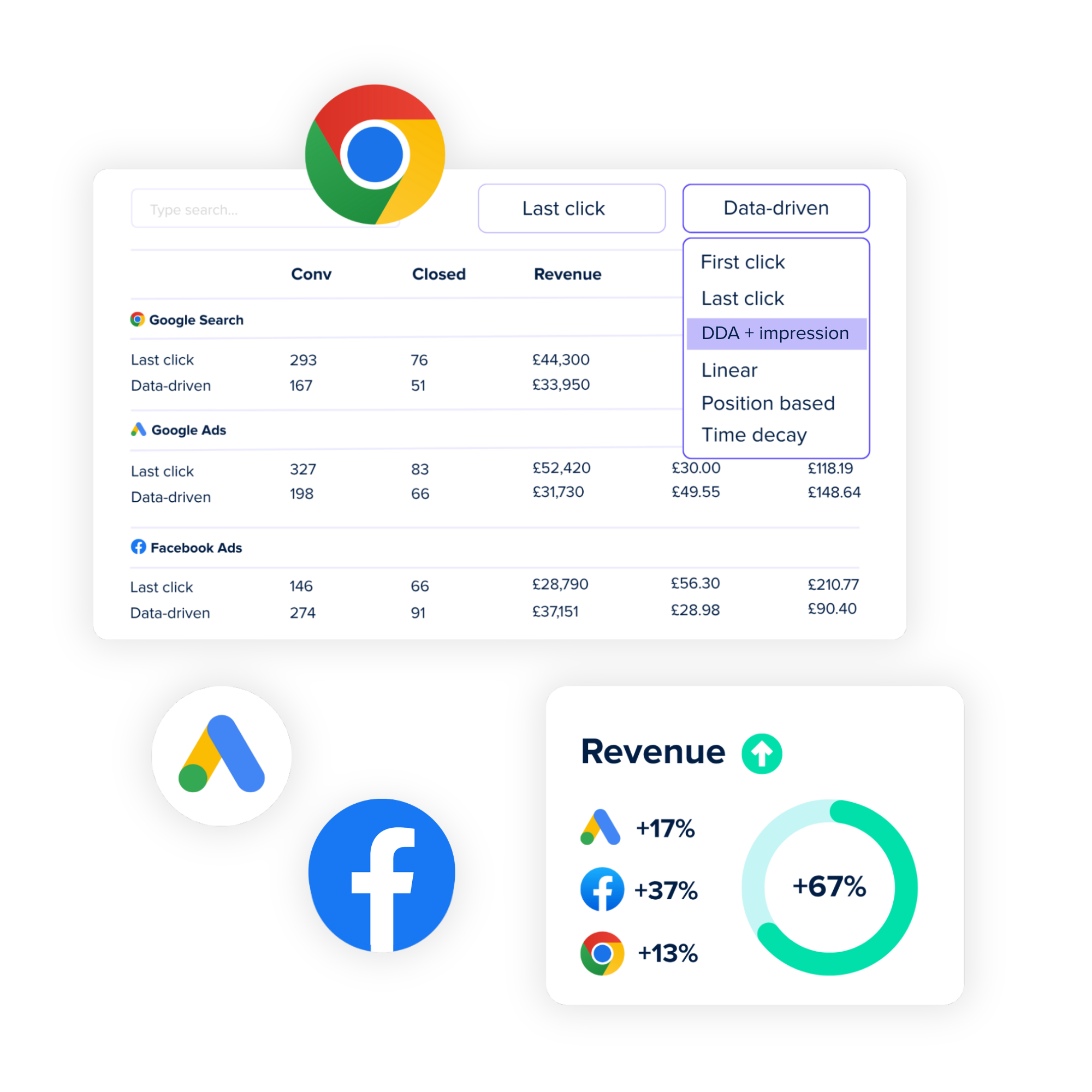
Revenue is attributed to the marketing channels and campaigns that influenced the sale. Using Ruler, you can switch between attribution models to find one that works best for you.
Attribution Model Types
First-click Attribution Model
First-click attribution is simple. All of the credit for a conversion is applied to the first touchpoint a user had with your business.
This is a great model for understanding what is kickstarting customer journeys.

Last-click Attribution Model
This model type assigns 100% of credit for a conversion to the final touchpoint in a customer journey. This is useful for seeing what content or channel specifically drove the final conversion.
This is a very common attribution model choice for marketers.

Linear Attribution Model
This model type assigns an equal split of credit to every touchpoint a lead has engaged with within their buyer’s journey.
The linear model can help you gauge which channels start, drive and close a buyer’s journey to provide a holistic view of all channels in the journey.

Time Decay Attribution Model
Time-based attribution assigns more weight to interactions that happen near the final conversion event.
This attribution model is great for determining which channels regularly drive conversions and which are primarily top-of-funnel channels. Remember, if you have a long sales cycle, then earlier touchpoints that were crucial in getting a user to consider your solution will be given less credit.

Position based model
Position-based attribution gives the most credit to the first and last touchpoints in the customer journey.
This model is useful for understanding both what initiated interest and what closed the deal. It typically assigns 40% of the credit to the first interaction, 40% to the last, and splits the remaining 20% across the middle interactions. If your marketing strategy focuses on nurturing leads across multiple stages, position-based attribution helps ensure both acquisition and conversion efforts are recognised.

DDA + Impression Attribution Model
This is a machine leaning model that uses a robust statistical methodology to redistribute credit from lower funnel sources such as Direct and Organic home page traffic to channels where there is a high probability that an impression has been served.
This model is particularly insightful for marketers investing heavily in top of funnel advertising and brand awareness, as it will factor-in impressions served that don’t result in clicks; therefore revealing the greater impact that these channels and campaigns have on revenue. It combines a click based Data Driven Attribution Model with Impression weightings to provide a full funnel view of performance.

We don’t just integrate with your tools; we make them work better.
Get revenue data where you need it most, in 1,000+ apps
What can you do with Ruler?
Track
Track individual & at-scale customer journey insights.
Attribute
Accurately attribute revenue, sales & leads.
Model
Model data and acknowledge the influence of all channels on business outcomes.
Report
Analyse performance & build custom segmented reports.
Forecast
Predict future revenue, ROI and diminishing returns.