
You’re running Google, Meta, LinkedIn, TikTok and organic search all at once, and nobody on your team can say with confidence which of those channels is actually driving revenue.
Each ad platform reports its own conversions, GA4 tells a different story again, and your CRM tells a different one still. From the conversations we’ve had with marketing and data leaders across dozens of industries, this is one of the most common frustrations we come across.
Funnel analytics software exists to solve exactly this problem, joining up every touchpoint from first interaction through to closed revenue so you can finally see what’s working.
In this guide, we’ll explain what we mean by funnel analytics software, where it tends to fall short, what to look for, and review 9 platforms worth putting on your radar.
We cover:
- What is funnel analytics software
- Why traditional analytics fall short
- What to look for in funnel analytics software
- Our picks for funnel analytics tools
Pro Tip
If fragmented reporting is already shaping your budget decisions, book a demo with Ruler to see how first party tracking connects your marketing activity to actual revenue.
Our definition of funnel analytics software
When we talk about funnel analytics software, we mean a platform that tracks a prospect’s journey from the very first marketing touchpoint through to a lead, a sale and, ideally, revenue.
That’s a broader remit than most people assume. It isn’t just about counting how many people land on your website or fill in a form. It’s about connecting that first click, view or impression to what happens weeks or months later, whether that’s a phone call, a demo booking, an opportunity in the CRM or a closed deal.
From what we’ve found working with marketing teams, the businesses that get the most from funnel analytics are the ones treating it as a full journey tool rather than a top of funnel reporting tool.
That means tracking performance across paid social, paid search, display, CTV, video, organic, email, events and offline channels, then reporting on how each one contributes at every stage rather than in isolation.
Given that 56% of respondents in our own research say the majority of their leads come from inbound marketing, being able to see the full inbound journey, not just the last click before conversion, matters more than ever.
Where traditional analytics falls short
Most businesses start with standard web analytics, and for a long time that’s felt like enough.
The trouble is that few customers make an important purchasing decision in a single session. They research across several channels, compare options, read reviews, ask colleagues for recommendations, engage with ads over a period of weeks, and often convert in ways that leave little or no digital trace.
By the time a sale actually happens, plenty of the touchpoints that influenced the decision have already dropped out of the attribution model.
Long consideration windows
These are one of the biggest culprits. A customer sees a paid social ad, spends a few weeks researching, visits the website more than once, comes back through organic search, and eventually converts. Last click attribution gives all the weight to that final visit and almost nothing to the channels that spent weeks building the awareness and intent behind it.
Upper funnel activity such as paid social, CTV, display, PR and even offline advertising often shapes the decision long before anyone clicks anything. Without a measurement model that accounts for that impression-based influence, those channels look like they’re contributing very little. Budgets get cut, performance dips, and it’s genuinely hard to work out why.
Offline and untracked conversions
Many of the highest value sales don’t happen through a simple online checkout. Customers pick up the phone to your sales team, reply to an email, visit a showroom, speak to someone at an event, or complete a purchase through another offline channel entirely. Existing customers often bypass digital altogether and get in touch directly.
When those conversions aren’t connected back to the marketing that influenced them, some of the most valuable revenue in the business simply disappears from the attribution model. This is a big part of why 28% of respondents in our research mention siloed data as an obstacle to effective marketing attribution.
Platform reporting that doesn’t add up
Google, Meta, LinkedIn, TikTok and the rest each report conversions within their own attribution window, and none of them account for what the others are claiming. Add the reported conversions together across platforms and you’ll often find they far exceed your actual sales or leads.
It isn’t that the platforms are being dishonest exactly, it’s that each one is measuring performance from its own vantage point. The problem is that a lot of budget decisions get made from these individual platform reports rather than from a single source of truth, part of why 26% of respondents told us they use four or more separate tools just to track performance.
Google Analytics adds its own wrinkle here too. GA4 doesn’t account for impression modelling, so it tends to undervalue the upper funnel impact of campaigns that build awareness now but only show up as a click or conversion through direct or brand search much later. That’s a meaningful gap given that 88% of respondents in our research say they trust the data in GA4
What we recommend looking for in funnel analytics software
Based on what we’ve seen work well for the businesses we talk to, here’s what we’d suggest prioritising when comparing funnel analytics platforms.
- First party tracking. Look for a platform that tracks calls, forms, live chat and other conversions through first party technology rather than relying on third party cookies, so your data holds up as privacy rules and browser policies keep shifting.
- Multi touch attribution options. You want the ability to compare first click, last click, linear, position based, time decay and data driven models side by side, not just be locked into one.
- CRM matching. The software should match leads and sales back to your CRM so you’re reporting on revenue rather than just lead volume, which tends to be a far more useful conversation to have with finance.
- Impression based or upper funnel modelling. Given how much upper funnel activity influences a decision without ever earning a click, look for tools that account for impressions rather than only click paths. Our marketing mix modelling approach is one way to bring that upper funnel influence into view.
- Cross channel reporting. A single unified view across paid, organic, email, offline and events saves you from stitching together reports from half a dozen different dashboards every month.
- Budget scenario planning. Some platforms let you model different budget scenarios before you commit spend, which is useful when you’re deciding where the next pound should go. Our own budget allocation approach is built around exactly this kind of forecasting.
- Integrations. Check that the platform can pull data in from your ad accounts and CRM, and just as importantly, push enriched conversion and revenue data back out to those same platforms.
Pro Tip
From the calls we’ve had with marketing leaders trying to solve this exact problem, the gap between what platforms report and what’s actually happening in the CRM is usually bigger than expected. Book a demo with Ruler and we’ll walk through your own data.
Funnel analytics software reviewed for 2026
Choosing the right funnel analytics tool can make the difference between guessing at what’s driving conversions and actually knowing.
Below, we’ve reviewed the top platforms on the market, covering what each one does well, where it falls short, and who it’s best suited for, so you can find the right fit for your team’s budget, tech stack, and reporting needs.
Ruler Analytics
What we’ve designed it to solve
We built Ruler to close the gap between marketing activity and revenue. Rather than reporting on leads or conversions in isolation, Ruler tracks calls, form submissions, live chat enquiries and other conversion types through a first party JavaScript tag that follows the full customer journey from first visit through to revenue.
One thing we hear often from the teams we work with is frustration at having to interpret several different attribution reports that never quite agree with each other. Ruler deduplicates conversions across channels so you get one consistent view of funnel performance rather than a different number depending on which platform you’re looking at.
Where we see it work best
We see Ruler work particularly well for businesses with long sales cycles or a mix of online and offline conversion points, such as B2B companies, franchises, education providers and anyone who takes a meaningful volume of enquiries by phone.
Multi touch attribution lets you compare first click, last click, linear, position based, time decay and data driven models side by side, and Ruler’s data driven model combines click path data with marketing mix modelling derived impression weightings, shifting recognition away from over attributed channels like direct and brand search towards the upper funnel activity that actually influenced the decision.
ROAS reporting is available at channel, campaign, and ad group level, and the budget scenario planner shows where each channel is approaching saturation so you can model efficiency, growth or custom scenarios before you commit spend. Ruler also sends offline conversion and revenue signals back to advertising platforms, which helps improve bidding and audience optimisation rather than leaving that data sitting unused in a report.
Consider Ruler if
You’re dealing with a long or complex customer journey that spans digital and offline channels, you want revenue level attribution rather than lead volume reporting, or you’re investing in upper funnel channels like CTV, display or PR and want statistical modelling that gives them fair recognition alongside last click channels.
Pricing
Ruler Analytics offers tiered pricing based on monthly website visits, with plans for small, medium and large businesses, and custom pricing for higher volume organisations. Current plans and costs are available on our pricing page.
Amplitude
Where the tool shines
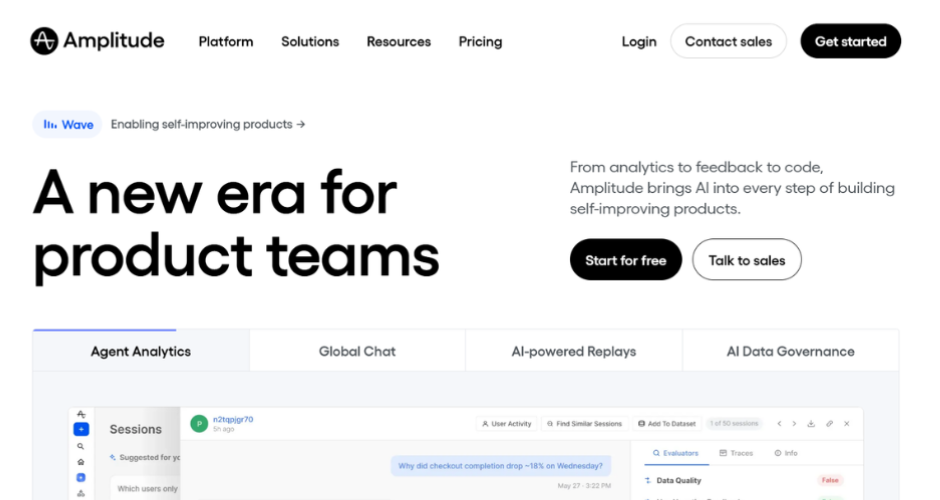
Amplitude is a product analytics platform, and it’s genuinely strong at event level tracking, cohort analysis and behavioural segmentation, particularly for product and growth teams trying to understand in-app or in-product user behaviour. Its funnel analysis lets you build multi step conversion funnels and see exactly where users drop off within a product experience, and features like session replay and predictive audiences make it a solid choice if funnel analysis for you means analysing product usage rather than marketing channel performance.
Where it falls short
Amplitude is built primarily for product analytics rather than marketing attribution, so it doesn’t natively connect offline conversions, CRM revenue data or multi touch marketing attribution across channels like paid social, CTV or offline advertising. If your funnel questions are more about which marketing channels drove a sale rather than which in-app steps caused a drop-off, you’ll likely need to pair it with a dedicated attribution tool.
Pricing
Amplitude offers a free Starter plan, with paid Plus plans starting from around $49 to $61 a month depending on usage, and Growth and Enterprise tiers priced on request. Full details are on the Amplitude pricing page.
Funnel
Where the tool shines
Funnel is a data integration and pipeline tool that pulls marketing data from hundreds of ad platforms and other sources into a single place, which is genuinely useful if your main pain point is manually exporting spreadsheets from every ad account each month. It supports a wide connector library and can push cleaned data through to warehouses, Looker Studio or BI tools of your choosing.
Where it falls short
Funnel focuses on consolidating data rather than analysing the funnel itself, so it doesn’t provide attribution modelling, revenue matching or funnel stage reporting out of the box. You’ll typically need a separate BI or attribution layer on top to turn the consolidated data into funnel insight, and its usage based pricing model can make costs harder to predict as you add data sources.
Pricing
Funnel no longer offers a free plan. The Starter plan starts at around $200 a month, with Business and Enterprise plans priced on usage and connector requirements. You can get pricing information on the Funnel website.
Google Analytics 4
Where the tool shines
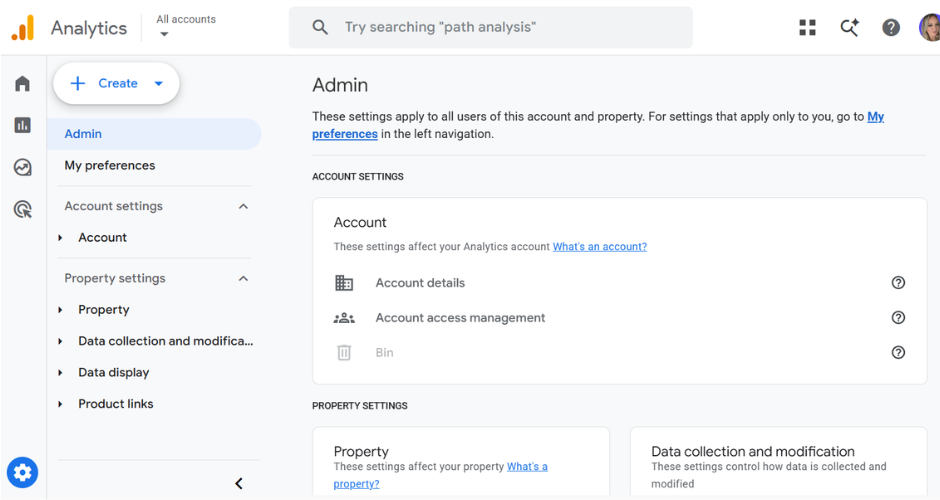
GA4 is free, widely adopted, and does a reasonable job of event based tracking across web and app, including basic funnel exploration reports that show where users drop off across a defined sequence of steps. It integrates natively with Google Ads, which makes it a sensible starting point for businesses mostly running paid search and organic.
Where it falls short
GA4 doesn’t account for impression modelling, so it tends to undervalue the upper funnel impact of campaigns that build awareness and drive clicks or conversions later down the line, often getting misattributed to direct or brand search instead. It also has limited support for tracking offline conversions such as phone calls or in-person sales, and matching conversions back to CRM revenue typically requires manual setup or a third party integration.
Pricing
GA4 is free for most businesses. The enterprise version, Google Analytics 360, is available for organisations with higher data volumes, with pricing starting at around $50,000 a year and scaling with event volume.
Heap
Where the tool shines
Heap auto-captures user interactions on your website or app without requiring manual event tagging, which saves a lot of setup time for product and UX teams wanting to understand friction points in a conversion funnel. Its funnel and journey visualisation tools make it easy to see where users drop off between defined stages.
Where it falls short
Like Amplitude, Heap is built for product and web behaviour analysis rather than cross channel marketing attribution. It doesn’t natively track phone calls, connect to CRM revenue data, or attribute conversions across multiple touchpoints spanning weeks or months, so marketing teams needing full funnel revenue attribution will typically need it alongside a dedicated attribution platform rather than instead of one.
Pricing
Heap offers a free plan covering up to 10,000 sessions a month, with Growth, Pro and Premier tiers priced on request based on session volume and features. Pricing details are available on the Heap website.
HubSpot
Where the tool shines
HubSpot’s Marketing Hub combines CRM, marketing automation and basic attribution reporting in one platform, which is genuinely convenient if your CRM, email marketing and website already sit inside HubSpot. Its multi touch revenue attribution reports at Professional tier and above can show which campaigns contributed to closed deals within the HubSpot ecosystem.
Where it falls short
HubSpot’s attribution reporting is strongest for activity that happens inside HubSpot itself, so tracking channels or conversions that sit outside the platform, such as offline advertising, CTV or calls not logged in HubSpot, tends to need extra configuration or a separate tool. The jump in price and contact limits between tiers can also catch teams out as they scale.
Pricing
Marketing Hub starts with a free CRM, with a Starter plan from around $20 a seat a month, Professional from around $890 a month, and Enterprise from around $3,600 a month, plus a mandatory onboarding fee at the higher tiers. Full pricing is on the HubSpot website.
Insider
Where the tool shines
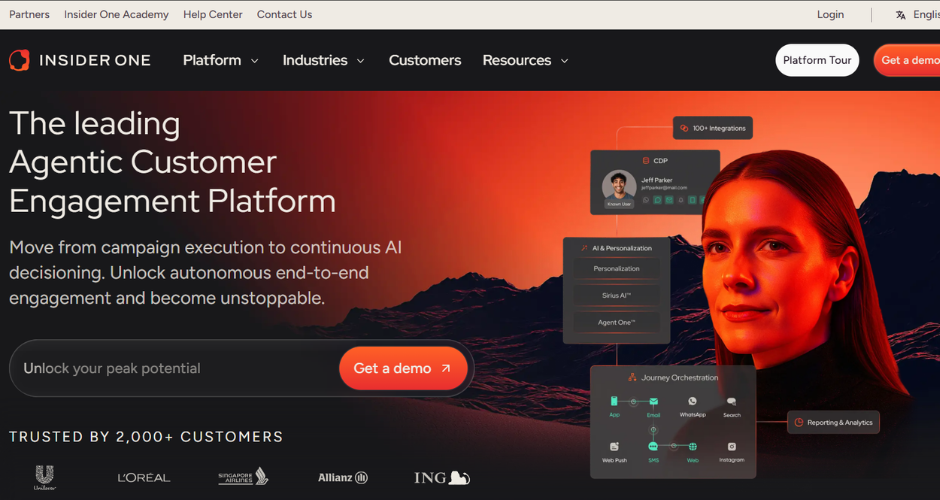
Insider (now marketed as Insider One) is a customer data platform and omnichannel engagement tool, unifying customer data across email, SMS, WhatsApp, web, app and site search into a single profile. Its AI driven personalisation and journey orchestration features are well suited to ecommerce and retail businesses wanting to act on customer data across many channels at once.
Where it falls short
Insider is built primarily around customer engagement and personalisation rather than marketing channel attribution, so it doesn’t natively provide funnel level reporting on which top of funnel marketing activity, such as paid social or display, drove a customer into that unified profile in the first place. It’s also positioned firmly at the enterprise end of the market, which may be more platform than smaller teams need.
Pricing
Insider doesn’t publish public pricing. Reported starting costs run from around $950 to $1,300 a month, scaling with data volume and channel mix, with custom enterprise contracts common. Contact the Insider website for a quote.
Iterable
Where the tool shines
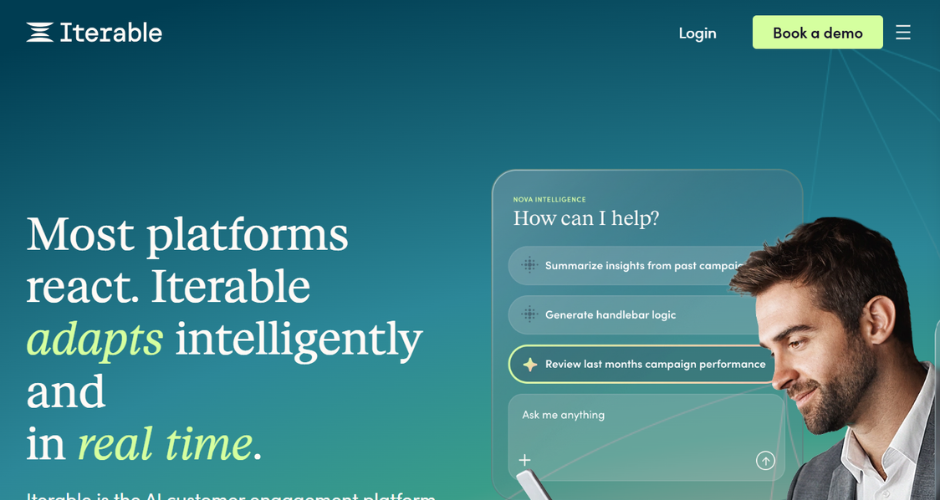
Iterable is a cross channel customer engagement platform built for orchestrating email, SMS, push and in-app messaging at scale, with a workflow builder that reacts to user behaviour in real time. For B2C brands running complex lifecycle campaigns across several channels, its segmentation and automation capabilities are considerable.
Where it falls short
Iterable is designed around engagement and lifecycle marketing rather than acquisition channel attribution, so it doesn’t track or attribute the earlier stages of the funnel, such as which ad or campaign first brought a customer in. There’s no self-serve plan or public pricing either, so evaluating cost involves a sales conversation from the outset.
Pricing
Iterable doesn’t publish pricing publicly. Quotes are based on monthly active users, message volume and channels enabled, with reported costs ranging from the low thousands a month for smaller deployments up to significant enterprise contracts. Contact the Iterable website for a quote.
Matomo
Where the tool shines
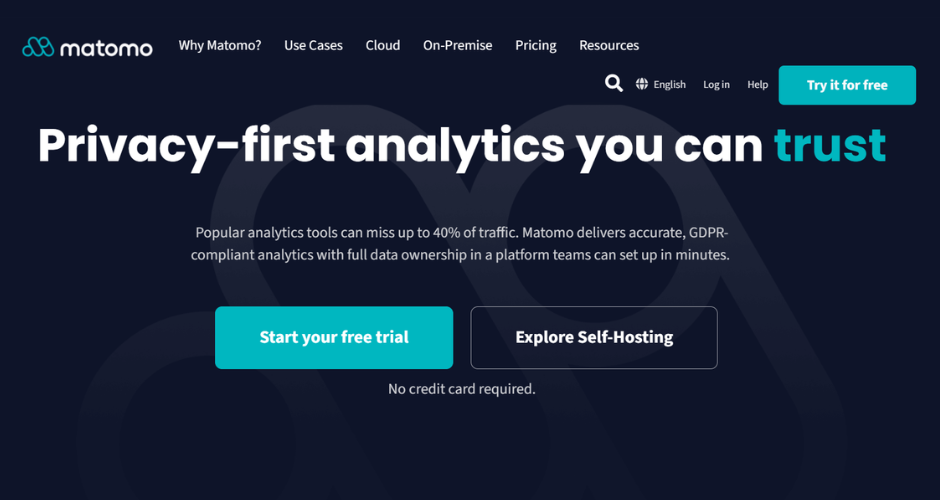
Matomo is a privacy focused web analytics platform that can be self-hosted for full data ownership or run as a managed cloud service, which appeals to organisations with strict GDPR or data residency requirements. It offers funnel reports, heatmaps, session recordings and A/B testing, with the self-hosted core software available free of charge.
Where it falls short
As with GA4, Matomo’s funnel reporting is focused on on-site behaviour rather than full customer journey attribution across offline channels, CRM revenue or upper funnel impression based influence. Self-hosting also shifts server maintenance, updates and security onto your own team, and several premium features are sold as separate paid plugins on the on-premise version.
Pricing
Matomo’s on-premise edition is free and open source, with paid plugins for features such as heatmaps and A/B testing. Matomo Cloud starts at around $23 a month for 50,000 hits, scaling with traffic volume. Current pricing is on the Matomo website.
Ready to see your full funnel in one place
Fragmented reporting isn’t a sign you’re doing anything wrong, it’s just a natural side effect of running marketing across as many channels as most businesses do today. But making budget decisions from platform reports that don’t agree with each other, or from a GA4 view that undervalues everything upper funnel, means you’re working from an incomplete picture. Funnel analytics software exists to fill in those gaps, connecting first touch to last touch and, most importantly, to revenue.
If you’d like to see how Ruler can bring your full customer journey, from calls and forms through to CRM revenue, into one consistent report, book a demo with our team and we’ll walk through your own data together.